
API vs Scraping: What’s Better for Your Business Data Needs?
Access to accurate, real-time data has become a competitive necessity for modern businesses. Whether you’re leading an e-commerce brand, a SaaS platform, or an enterprise analytics team, your strategy depends on how efficiently you collect, extract, and use data.
Two major approaches dominate today’s landscape: APIs and web scraping. Many leaders search for answers under terms like API vs scraping, scraping vs API, or web scraping and API comparisons, all trying to understand which method provides the most reliable business value.
In this blog, we break down both methods clearly, show how they impact data-driven decision-making, and help you determine the best fit for your organization.
Understanding APIs
An API is an authorized, structured method of data retrieval. It enables automated data collection directly from a platform that chooses to expose certain information in a clean, machine-readable format.
How APIs Work
When discussing API integration for business, think of APIs as a secure data pipeline:
- Your system sends a request
- The provider delivers structured data
- You get consistent, formatted results instantly
This makes APIs ideal for real-time data access and high-volume automated workflows.
Benefits of Using APIs
- Highly reliable data extraction
- Structured, clean, ready-to-use datasets
- Supports large-scale automation
- Low maintenance
- Best for mission-critical systems requiring uptime
Whenever an official data endpoint exists, APIs generally offer the smoothest path to reliable data extraction.
Understanding Web Scraping
Web scraping is the process of automated data collection from public websites when APIs are unavailable, limited, or insufficient.
For businesses needing wide-spectrum insights, web scraping services enable customized data extraction across the web, product listings, prices, inventory levels, reviews, real-estate listings, job data, and more.
Why Companies Use Web Scraping
Many high-growth companies use scraping because:
- Not all websites provide an API
- APIs often restrict the fields you can access
- Scraping gives full flexibility over structured vs unstructured data
- It helps in competitive intelligence and market research
Business Use Cases
- Competitor price tracking
- E-commerce product data extraction
- Review sentiment analysis
- Market trend monitoring
- Large-scale data retrieval across multiple sources
Scraping is powerful, adaptable, and essential when you need data that isn’t officially available.
Scraping vs API: Key Differences to Understand
| Factor | API | Web Scraping |
| Data Availability | Limited to what provider allows | Extracts anything publicly visible |
| Data Type | Fully structured | Structured or unstructured |
| Real-time Data Access | Excellent | Possible but depends on frequency |
| Scalability | Very high | High with correct setup |
| Reliability | Extremely reliable | Requires maintenance |
| Compliance | 100% authorized | Must follow guidelines |
| Best For | Finance, social apps, structured data | Pricing, product data, competitive insights |
When Should Businesses Use APIs?
APIs excel when you need precision, speed, authorization, and stability.
Use APIs when you need:
- Real-time data access
- Structured input for BI dashboards
- High-volume transactions
- Zero downtime tolerance
- Clean and reliable data retrieval
Examples
- Stock price APIs
- Shipping and logistics APIs
- E-commerce catalog APIs
- Social media analytics APIs
If the data you need is already available via an API, it is usually the most efficient route.
When Should Businesses Use Web Scraping?
Scraping shines when data is:
- Not available via an API
- Locked behind user interfaces
- Spread across multiple websites
- Constantly changing (like prices)
Use Web Scraping when you need:
- Complete competitor intelligence
- Large-scale market data extraction
- E-commerce product and price monitoring
- Job posting or real estate data retrieval
- Customized automated data collection
Scraping gives complete flexibility, allowing you to build unique datasets that competitors may not have.
Combining Web Scraping and API for Automated Data Solutions
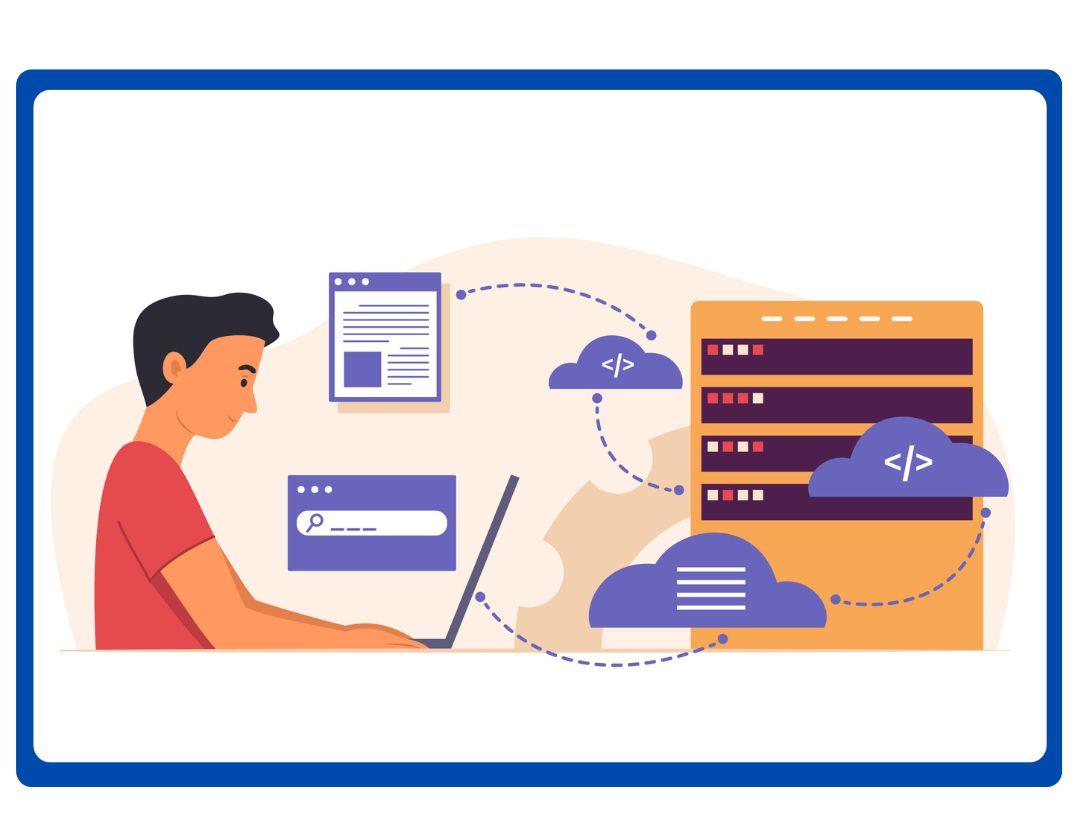
The strongest businesses don’t choose one method, they combine web scraping and API to build a resilient, future-proof data ecosystem.
Why the Hybrid Model Works
- APIs offer stability; scraping offers flexibility
- APIs provide structured data; scraping fills missing fields
- APIs support real-time workflows; scraping supports wide-coverage insights
- Together, they reduce blind spots
Example Hybrid Solution
An e-commerce analytics company might:
- Pull official product data using an API
- Scrape competitor websites for pricing and reviews
- Merge both datasets into a single intelligence dashboard
Strategic Advantages for Decision Makers
Higher Data Accuracy
Using both methods ensures a complete, accurate view of your market.
Better Forecasting
With structured API data + wide-ranging scraped data, predictive models perform better.
Improved Competitiveness
Your business sees insights competitors often miss.
Reduced Manual Effort
Automated data solutions free your team from repetitive work.
Scalable Global Expansion
Whether gathering worldwide ecommerce data or region-specific insights, both methods scale easily.
Business Use Cases Across Industries
E-commerce & Retail
- Price intelligence
- Catalog enrichment
- Review sentiment analysis
- Inventory monitoring
Finance
- Stock market feeds (API)
- Financial news sentiment (scraping)
- Risk and fraud analytics
Real Estate
- Property listing aggregation
- Market trend detection
Recruitment
- Job posting data extraction
- Skill demand analysis
Conclusion: Choosing the Right Approach for Your Business
There is no single answer to the API vs scraping question. The right choice depends on what type of data you need, how often you need it, and how you plan to use it.
APIs are the better option when you want reliable, structured, and real-time data that comes directly from an authorized source. Web scraping is more suitable when you need flexibility, broader coverage, or access to information that is not available through an API.
Many businesses get the best results by using both methods together. This gives them complete, automated, and scalable access to the data they rely on for decision-making. If you want to build a strong data collection system for your business, our team can help you choose the right mix of APIs and scraping based on your goals. Feel free to reach out to us to get started.
FAQs
1. What is the difference between API and scraping?
APIs offer structured, permission-based data. Scraping extracts data from publicly visible web pages. APIs are reliable; scraping is flexible.
2. Is web scraping legal?
Scraping is legal when done ethically and in compliance with site policies. APIs are fully authorized by design.
3. Which is better for competitive intelligence?
Web scraping. Most competitors do not provide APIs, but their data is publicly visible.
4. Which is better for real-time data access?
APIs. They are built for instant response.
5. Should a business use both?
Yes. Combining web scraping and API provides the most comprehensive and scalable solution.
6. Which industries benefit the most?
E-commerce, finance, logistics, real estate, and SaaS companies.