

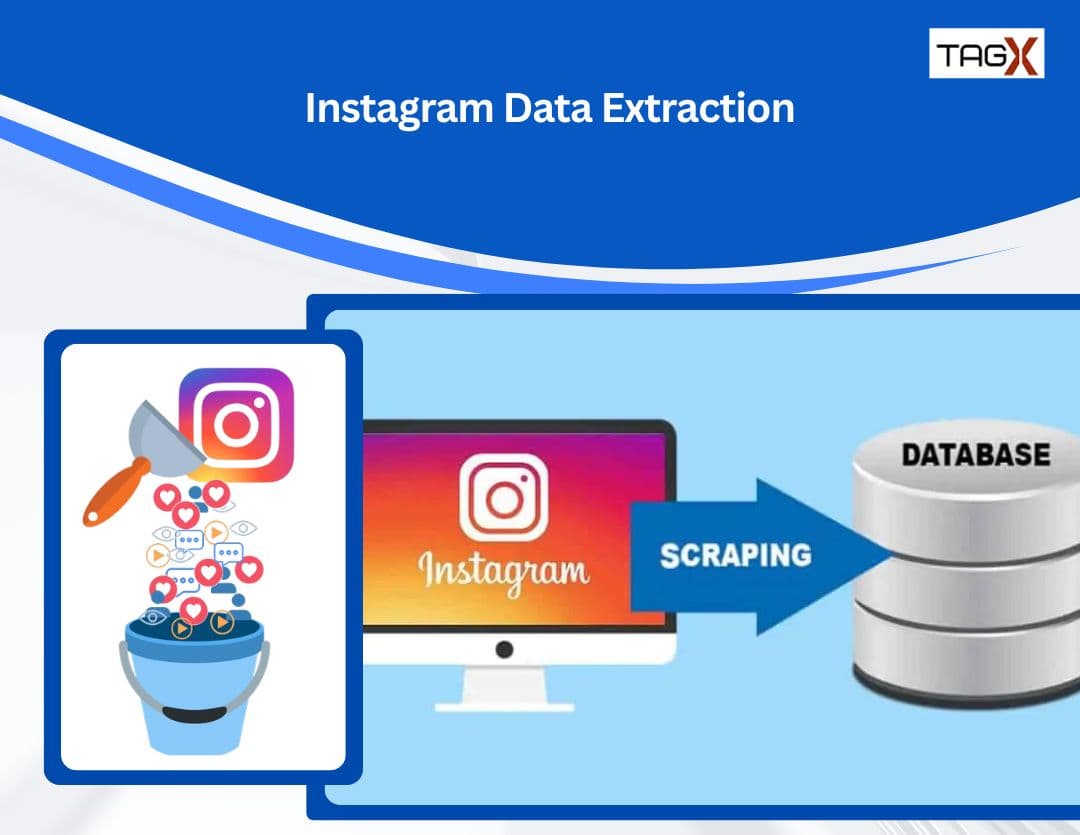
In today’s data-driven landscape, businesses rely on real-time social insights to stay competitive. An Instagram scraper helps organizations collect large volumes of public data such as posts, reels, comments, and profile information, with speed and accuracy.
As the need for deeper audience understanding grows, companies are focusing on analyzing engagement patterns, tracking content performance, and supporting strategies like ecommerce social listening. Access to structured Instagram data makes it easier to monitor trends and respond to changing user behavior.
This blog explains how an Instagram scraper works, the types of data that can be collected, and how businesses can turn these insights into meaningful decisions at scale.
Understanding the Role of an Instagram Scraper in Modern Data Strategies
In today’s fast-moving digital space, businesses rely on accurate data to make informed decisions. An Instagram scraper helps collect publicly available data from Instagram in a structured way, making it easier to analyze and use.
Since social platforms generate large amounts of content, manual collection is not practical. A streamlined approach to Instagram data extraction allows businesses to track engagement, monitor competitors, and understand what content performs best.
It also helps teams understand audience behavior. By analyzing interactions like likes, comments, and shares, companies can create more relevant content and improve their strategies.
In modern data strategies, speed and accuracy matter. An Instagram scraper supports both, helping businesses turn raw data into useful insights that drive better decisions.
How Businesses Access Instagram Data for Analytics and Growth
Businesses today rely on social data to guide marketing, product, and growth strategies. A common question they face is how to get data from Instagram in a way that is reliable and scalable. Instead of manual efforts, companies focus on structured methods that allow consistent access to relevant information.
Most organizations begin by identifying the type of data they need. This may include post-performance, audience engagement, hashtag trends, or competitor activity. Once the goals are clear, they move toward extracting Instagram data in a format that can be analyzed easily.
Common ways businesses use Instagram data:
- Track post performance to see what content drives engagement
- Monitor competitors to understand their content strategy
- Analyze audience behavior through likes, comments, and shares
- Identify trending hashtags and topics in their niche
- Measure campaign success and adjust marketing efforts
For marketing teams, this data helps improve campaigns and content planning. Ecommerce brands use it to understand customer preferences and market trends. Growth teams rely on these insights to refine targeting and increase conversions.
In the end, it is not just about collecting information. It is about using the right data to make better decisions and stay ahead in a competitive market.
Key Methods to Collect Data from Instagram at Scale
Collecting large volumes of social data requires more than manual effort. Businesses need structured approaches to scrape data from Instagram efficiently while maintaining accuracy. As data needs grow, scalable methods become essential. An ig scraper supports this by enabling continuous and organized data collection.
Automated Data Collection
Automation allows businesses to collect data without constant manual input. This ensures consistency and reduces errors. It also saves time, especially when handling large datasets across multiple accounts.
Batch Processing for Large Volumes
In this method, data is collected in groups instead of one by one. Batch processing helps manage high volumes efficiently and keeps operations smooth even when data demand increases.
Real-Time Data Collection
Access to real-time data helps businesses respond quickly to trends and audience behavior. This is especially useful for tracking viral content and time-sensitive campaigns.
Targeted Data Collection
Instead of collecting all available data, businesses focus on specific profiles, hashtags, or topics. This makes the process more efficient and ensures the data is relevant to their goals.
Structured Data Formatting
Raw data is often messy and hard to use. Structuring it into organized formats makes analysis easier and helps teams turn data into actionable insights.
Scalability plays a key role in all these methods. With the right approach, businesses can continue to collect and use Instagram data efficiently as their needs grow.
Breaking Down Instagram Posts and Profile-Level Insights
To make better decisions, businesses need to understand what kind of data is available and how it is structured. An Instagram posts scraper helps collect detailed information from individual posts, while an Instagram profile scraper focuses on account-level insights.
Post-Level Data
Instagram posts contain valuable engagement and content details that help measure performance. Key data points include:
- Captions and hashtags used in the post
- Number of likes, comments, and shares
- Media type, such as image, video, or reel
- Posting date and time
- Engagement rate based on audience interaction
This data helps businesses understand what type of content performs well and what drives audience engagement.
Profile-Level Data
Profile data provides a broader view of an account’s overall presence and growth. Important data points include:
- Username and bio information
- Follower and following count
- Total number of posts
- Audience growth over time
- Overall engagement trends
These insights help businesses evaluate influencers, monitor competitors, and identify high-performing accounts in their niche.
Why Structured Data Matters
When post and profile data are organized properly, it becomes easier to compare performance, track trends, and make informed decisions. Instead of looking at scattered information, businesses can rely on structured insights to guide their strategies.
By combining post-level and profile-level data, companies gain a complete view of content performance and audience behavior.
Get real-time Instagram and social media data with TagX to power smarter business decisions.
Turning Instagram Comments into Actionable Insights
Instagram comments are more than simple interactions. They reflect real opinions, feedback, and user intent. When businesses scrape Instagram comments, they gain direct access to what their audience is thinking and how they feel about content, products, or campaigns.
Understanding Audience Sentiment
Comments help identify whether users respond positively, negatively, or neutrally. This is a key part of social media data extraction, as it allows businesses to measure sentiment at scale. Instead of guessing, teams can rely on real feedback to understand audience perception.
Identifying Trends and Common Topics
By analyzing large volumes of comments, businesses can spot recurring themes. These may include product feedback, common questions, or emerging trends. This insight helps brands adjust messaging and stay aligned with audience interests.
Improving Content Strategy
Comments reveal what users like, dislike, or expect. Businesses can use this information to refine content, improve engagement, and create posts that better connect with their audience.
Supporting Customer-Centric Decisions
Customer feedback in comments often highlights pain points or unmet needs. By paying attention to these signals, companies can improve products, services, and overall user experience.
In the end, comments are a powerful source of insight. When used correctly, they help businesses move beyond surface-level metrics and understand the real voice of their audience.
Why Reels Data Is Critical for Trend Analysis
Short-form video has become one of the most influential content formats on Instagram. Reels often drive higher reach and engagement compared to other content types. This is why businesses focus on how to scrape instagram reels data for insights and understand what is trending in real time.
Identifying Viral Content Patterns
Reels data helps businesses see what type of content gains traction quickly. By analyzing views, likes, shares, and watch time, teams can identify patterns behind viral posts and apply those learnings to their own strategy.
Tracking Audience Preferences
Reels reflect what audiences are actively consuming. When businesses scrape social media data from reels, they can understand which topics, formats, and styles attract the most attention. This helps in creating content that aligns with current user interests.
Monitoring Competitor Strategies
Reels also provide a clear view of what competitors are doing. Businesses can track the type of content competitors post, how often they post, and how their audience responds. This insight helps refine content strategies and stay competitive.
Supporting Real-Time Marketing Decisions
Trends on reels change quickly. Access to fresh data allows businesses to respond faster, whether it is joining a trending topic or adjusting campaign direction. This makes reels data highly valuable for time-sensitive marketing efforts.
In today’s fast-moving digital space, reels are a key driver of visibility and engagement. Analyzing this data helps businesses stay relevant, spot trends early, and make smarter content decisions.
What Kind of Instagram Data Actually Drives Business Decisions
Businesses collect a lot of data, but only a small portion truly drives results. The goal of Instagram data extraction is not just to gather information, but to focus on insights that influence real decisions.
Engagement Data That Measures Impact
When companies scrape data from Instagram, engagement metrics are often the first priority. These include likes, comments, shares, and saves. They show how users interact with content and help identify what is working.
Audience Insights That Improve Targeting
Understanding the audience helps businesses create better campaigns. Data such as follower growth, interaction patterns, and content preferences allows teams to refine their targeting and messaging.
Content Performance That Guides Strategy
Not all content performs the same. By analyzing which posts get higher reach and engagement, businesses can adjust their content strategy and focus on what delivers results.
Competitor Insights That Shape Decisions
Looking at competitor data helps businesses understand market trends and positioning. It shows what others are doing well and where there are gaps to explore.
Timing Insights That Boost Visibility
Data related to posting time and frequency can impact performance. Businesses use this information to publish content when their audience is most active.
In the end, the value lies in using the right data to make informed decisions. Instead of relying on assumptions, businesses can use clear insights to improve performance and drive growth.
From Raw Data to Ecommerce Social Listening Strategies
Collecting data is only the first step. The real value comes from turning that data into meaningful strategies. Through ecommerce social listening, businesses can understand what customers are saying, what they prefer, and how they respond to products and content.
When companies scrape social media data, they gain access to large volumes of user-generated content. This includes comments, captions, hashtags, and engagement signals. However, raw data on its own does not provide clear answers. It needs to be organized and analyzed to uncover patterns and insights.
Identifying Customer Preferences
By analyzing conversations and interactions, businesses can understand what customers like or dislike. This helps in improving product offerings and aligning content with audience expectations.
Tracking Market Trends
Social data reveals emerging trends before they become mainstream. Businesses can spot popular topics, viral content, and shifting interests, allowing them to act early.
Monitoring Brand Perception
Customer opinions shared online reflect how a brand is perceived. Social listening helps businesses track sentiment and respond to feedback in a timely manner.
Improving Marketing Strategies
Insights from social data help refine campaigns, messaging, and targeting. Businesses can focus on what works and avoid strategies that do not deliver results.
In the end, the shift from raw data to strategy is what drives growth. With the right approach, businesses can use social insights to make smarter decisions and stay ahead in a competitive market.
Common Roadblocks in Large-Scale Instagram Data Collection
While social data is valuable, businesses often face several challenges when extracting Instagram data at scale. These roadblocks can impact accuracy, speed, and overall data reliability.
- Managing large volumes of data across posts, reels, and profiles
- Dealing with inconsistent data formats such as captions, hashtags, and engagement metrics
- Handling access limitations when figuring out how to get data from Instagram
- Ensuring data accuracy and avoiding incomplete or outdated information
- Maintaining performance and speed as data requirements grow
- Adapting to frequent changes in Instagram’s structure and features
These challenges make it difficult to maintain consistency and reliability, especially at scale.
How TagX Supports Scalable Instagram Data Collection Needs
Businesses need more than basic data access. They require reliable, scalable, and real-time data to support decision-making. This is where TagX brings value by offering advanced Instagram scraper services designed for high-volume and structured data collection.
Scalable Data Collection Across Multiple Sources
TagX is not limited to Instagram. It enables data collection across multiple platforms, including Twitter, Reddit, LinkedIn, and other social and web sources. This helps businesses unify data from different channels and build a complete view of their market.
Real-Time Data for Faster Decisions
Access to real-time data allows businesses to respond quickly to trends and audience behavior. TagX ensures that data is collected and delivered without delays, helping teams stay ahead in competitive markets.
Structured and Reliable Data Output
Raw data can be difficult to use. TagX focuses on delivering clean, structured data that is ready for analysis. This reduces manual effort and improves accuracy in decision making.
Flexible Data Collection Based on Business Needs
Every business has different data requirements. TagX supports customized data collection, whether the focus is on posts, comments, profiles, or broader social listening across platforms.
Supporting End-to-End Data Workflows
From data collection to processing, TagX helps businesses manage the full data journey. This ensures consistency, scalability, and efficiency at every stage.
By going beyond Instagram and supporting multiple platforms, TagX enables businesses to unlock deeper insights and build stronger data-driven strategies.
Compliance and Ethical Considerations When Working with Instagram Data
When businesses scrape data from Instagram, it is important to follow legal and ethical guidelines, especially in the US. Companies should focus only on publicly available data and avoid accessing private or restricted information. Respecting user privacy, following platform policies, and ensuring responsible data usage are key to maintaining trust.
In addition, businesses should be transparent about how data is collected and used, while also aligning with relevant data protection regulations. Taking a compliant and ethical approach not only reduces risk but also builds long-term credibility.
Conclusion
As businesses continue to rely on social data for growth, the ability to collect and analyze information at scale has become essential. An Instagram scraper plays a key role in helping organizations access valuable insights from posts, reels, comments, and profiles in a structured and efficient way.
Scalability and real-time data access are no longer optional. They are critical for staying competitive, identifying trends early, and making informed decisions. Businesses that act on fresh and accurate data are better positioned to adapt and grow in a fast-changing digital environment.
If you are looking to streamline your data collection and unlock deeper insights, TagX can help. Get in touch with the TagX team to explore how scalable, real-time data services can support your business goals.
